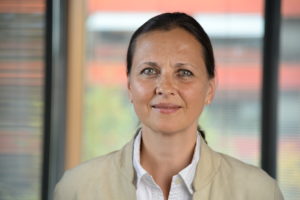
The Finke Lab investigates how type 3 innate lymphoid cells (ILC3s) shape the immune system from early life to adulthood. By uncovering how ILC3s regulate lymphoid organ development, host defence, and tolerance, we aim to identify novel therapeutic targets and design strategies to harness ILC3s in immunotherapy and vaccines.
Our preclinical studies span several complementary areas of immunology, including:
The outcome of ILC3-T cell interactions is strongly influenced by the tissue microenvironment. In the gut under steady-state conditions, ILC3 subsets express MHCII but lack co-stimulatory molecules, thereby limiting T cell responses to dietary and commensal antigens and promoting tolerance. By contrast, splenic ILC3s promote T cell proliferation and support B cell responses. Comparative phenotypic, transcriptional, and functional analyses demonstrate that ILC3s from the spleen and small intestine display fundamentally distinct molecular and functional profiles. In the gut, microbial signals and cytokines such as IL-23 suppress the antigen-presenting capacity of ILC3s through mTORC1 and STAT3 pathways. These findings highlight the importance of tissue-specific regulation of ILC3 function in balancing immune activation and tolerance within the gut mucosa.
ILC subsets express distinct surface receptors that mediate cell-cell recognition, including receptors classically associated with natural killer (NK) cell function. One such receptor, tumour necrosis factor (TNF)-related apoptosis-inducing ligand (TRAIL) belongs to the TNF superfamily and enables anti-tumour activity. TRAIL is predominantly expressed by NK and type 1 ILCs (ILC1s). We identified a point mutation in the Ncr1 locus that markedly reduces surface TRAIL expression and impairs the ability of ILC1s to kill TRAIL receptor-expressing target cells. These findings demonstrate that NKp46 regulates the anti-tumour activity of ILC1s by controlling TRAIL expression.
ILC3s, in contrast, are tissue-resident lymphocytes essential for maintaining intestinal barrier immunity and coordinating early responses to bacterial infection. Using novel reporter and cell-labelling strategies, we are now investigating the spatial dynamics and cellular partners of naïve and activated ILC3s across lymphoid and non-lymphoid tissue. Our goal is to delineate the regulatory networks governing ILC3 function during infection and tissue repair and to define their contribution to memory immune cell responses.
We investigate pathways regulating the transition from protective to proinflammatory ILCs, which drive chronic inflammation and contribute to inflammatory bowel disease. We identified mTOR signalling as a key regulator of proinflammatory interferon (IFN)γ release by ILC3s and neutrophil recruitment during colitis. Together, the Finke lab uncovered transcriptional and metabolic control of ILC plasticity, linking mTOR-dependent IFNγ production to ILC-mediated colitis.
Genetically engineered immune cells are critical for advancing preclinical immunotherapy. We established a robust system to immortalize and genetically modify hematopoietic bone marrow (BM) progenitor cells using the fusion protein NUP98Hoxa10HD (NUPA10hd) delivered via viral vectors. This system outperforms conventional transduction methods, as NUPA10hd-immortalized progenitors efficiently generate both myeloid and lymphoid lineages. It enables long-term in vivo studies of migration, differentiation, and cell-cell interactions. We are now applying this approach to dissect the spatial and temporal dynamics of CD4+ T cells interacting with dendritic cells or ILC3s in situ.
The Medgate Kids Line provides quick and uncomplicated medical advice if your child is unwell. The medical team of our partner Medgate is available to you by telephone around the clock.
For emergencies abroad: Call the emergency number of your health insurance company. You will find this number on your health insurance card.
More information: On the Page of the emergency ward you will find everything you need to know about behaviour in emergencies, typical childhood illnesses and waiting times.
144 Outpatient clinic
145 Tox Info Suisse (Poisonings)
117 Police
118 Fire brigade
Which topic would you like to contact us about?
For praise or criticism, please use the Feedback form.