Contact us
High contrast

Patient and Public Involvement and Engagement (PPIE)

This page has been automatically translated.

Contact us

Better cooperation with children, young people, their families and the public

In the Paediatric Research Centre (PFZ) we want to make health and medical research more transparent and understandable for children, young people and their families. We believe that the best way to achieve this is through close collaboration between researchers and patients, their relatives and the public. We therefore want to actively involve patients and their relatives in the research process (Patient and Public Involvement and Engagement - PPIE).

PPIE comes from the English-speaking world and describes the conscious, respectful and collaborative participation of patients, relatives and other representatives of the public in the planning and implementation of research. As co-operation partners, interested parties participate in the research and ensure that their preferences and needs are included in all activities.

The PFZ wants to ensure that patients and their families can continuously contribute to the research process and that the knowledge gained is used to improve research and medical care at UKBB.

We would like to

  • Making research more transparent and understandable for children, young people and their families.
  • Enable patients and families to actively participate in clinical research.
  • Achieve a patient-centred improvement in our research.
  • help researchers to realise projects of high quality and relevance.

PPIE in child and youth research

The active participation of younger children in all areas of research is often hampered by the fact that they are not always able to express their opinions and needs. This is especially true for newborns, infants, young children and children with disabilities. In these cases, it is important that parents or other important caregivers are involved. Older children and adolescents are more independent and, depending on their age, can participate in a research project with the support of parents and/or relatives.

What is PPIE?

PPIE comes from the English-speaking world and describes the conscious, respectful and collaborative participation of patients, relatives and other representatives of the public in the planning and implementation of research. PPIE can also improve research in paediatrics and adolescent medicine, which in the long term benefits the care and health of children.

Effective PPIE requires activities that are carried out with or by patients, their relatives and the public. One of the aims is to raise awareness and share research knowledge and results. As co-operation partners, patients, their relatives and the public can also influence research according to their ideas, wishes and needs.

Family Advisory Board

The Family Advisory Board (FAB) is a fundamental component of the patient-centred approach of the Paediatric Research Centre (PRC). The Advisory Board is made up of clinicians, researchers, patients and representatives of the public. In four meetings per year with clinicians and researchers, various research topics are discussed in order to take into account the voices and perspectives of children and adolescents in research. This helps to drive research projects forward and ensure that research findings are more transparent and understandable for children, adolescents and their families.

Become part of the Family Advisory Board!

The Family Advisory Board is open to anyone who would like to make a contribution. People of all ages who use, have used or could use paediatric medical services can participate.

If we have aroused your interest and you would like to find out more about the FAB, please contact .

Steering Committee

The established Steering Committee provides support to the FAB. It consists of selected individuals who are committed to promoting the participation of patients, their relatives and the public in paediatric research. The Steering Committee supports the activities of the FAB and ensures that patients, their relatives and members of the public are consulted and involved.

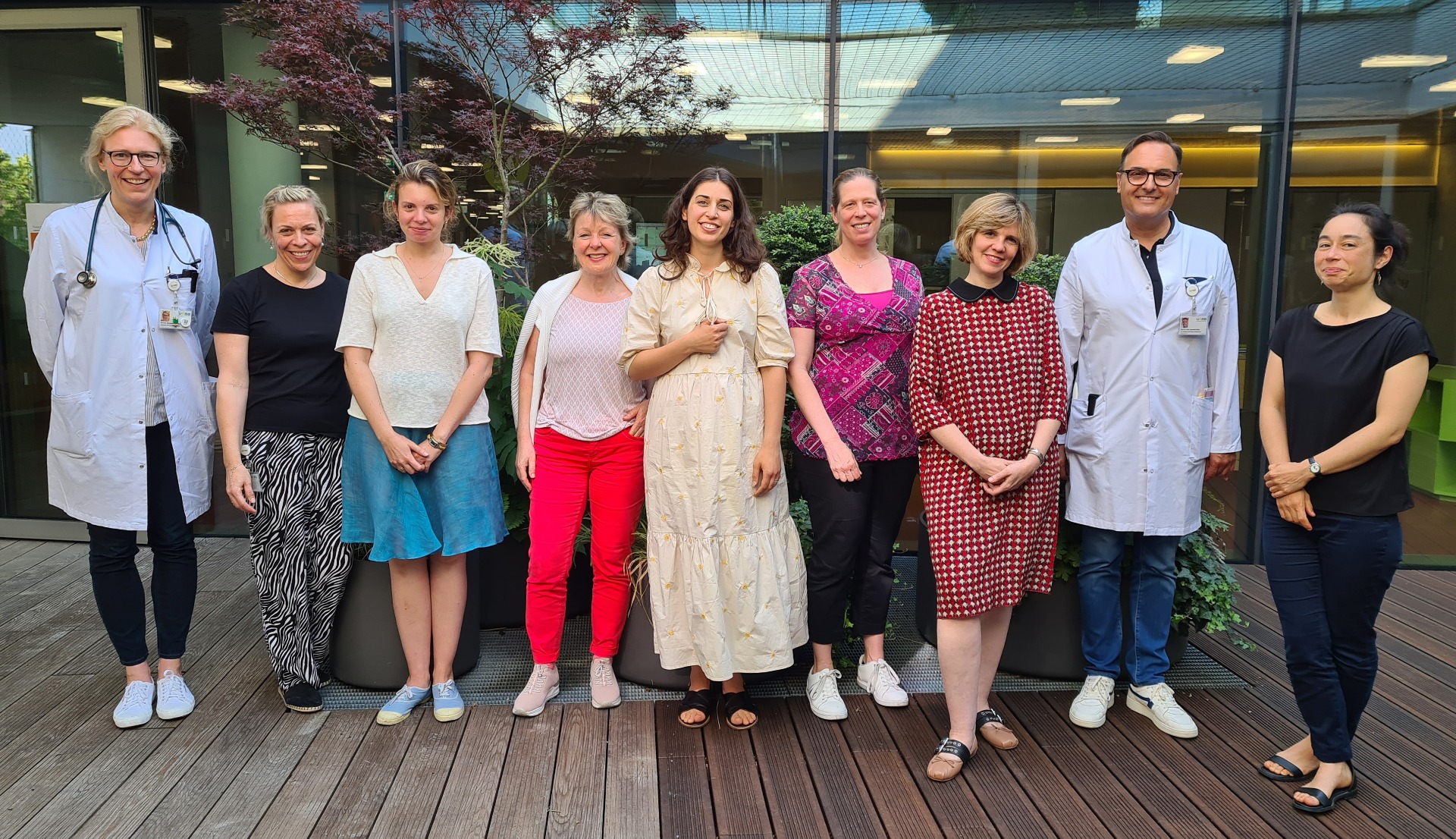
Members of the Steering Committee

Resources for researchers

Clinical studies are necessary to ensure evidence-based paediatric care. There is often a lack of relevant data or studies are too small. Involving children, adolescents and their parents can be an important strategy to make research more relevant and appealing to patients. Active participation is often difficult in acute cases, as health conditions cause a high level of stress for patients and their parents. In addition, many parents have mixed feelings when informed about potential research projects, as they have to decide for their children and are faced with uncertainty - a study is usually only conducted if there is a gap in medical understanding. Unfortunately, this often leads to children receiving therapies that have only been studied in adults.

PPIE is often a major challenge for researchers. We know from surveys that patient participation in Switzerland is limited because investigators do not feel supported in the organisation, communication and structuring of the collaboration when conducting PPIE. The PFZ offers a wide range of tools that can help investigators and other researchers to plan, conduct and communicate health-related and medical research with PPIE.

Counselling and other support services

The resources below provide information on training courses for researchers and individual support services.

PPIE Newsletter

Counselling hotline for child and youth emergencies

The Medgate Kids Line provides quick and uncomplicated medical advice if your child is unwell. The medical team of our partner Medgate is available to you by telephone around the clock.

058 387 78 82
(billing via health insurance)

For emergencies abroad: Call the emergency number of your health insurance company. You will find this number on your health insurance card.

More information: On the Page of the emergency ward you will find everything you need to know about behaviour in emergencies, typical childhood illnesses and waiting times.

Important emergency numbers

144 Outpatient clinic
145 Tox Info Suisse (Poisonings)
117 Police
118 Fire brigade

UKBB

University Children's Hospital Basel
Spitalstrasse 33
4056 Basel | CH

Contact us

Which topic would you like to contact us about?
For praise or criticism, please use the Feedback form.

Reason for contacting us *

Appointments cannot be made via the contact form. To make or reschedule an appointment, please contact the Polyclinic Control Centre +41 61 704 12 20

Patient name *
First name patient *
Patient's date of birth *
Name *
First name *
Telephone number
E-mail address *
Your enquiry *
Who should contact you?
How would you like to be contacted? *
Remarks *
Date of cancellation
Contact us by telephone for a new appointment *
Reason for the cancellation