
This page has been automatically translated.
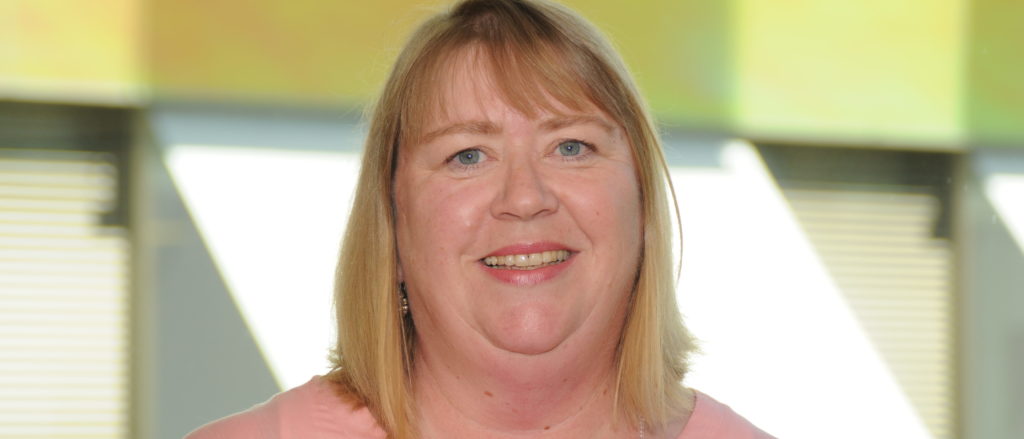
The topic of ADHD is currently attracting a lot of interest: More than 300 people attended the public event organised by the University Children's Hospital Basel (UKBB) at the end of October 2018. One possible form of treatment for children with ADHD is occupational therapy. Stefanie Stock-Mühlnickel has been working as an occupational therapist at UKBB for 27 years. In this interview, she explains why praise plays a major role in working with children with ADHD and gives tips for everyday life.
Mrs Stock-Mühlnickel, the great interest in the public event shows that the topic of ADHD is highly topical at the moment. When a child with ADHD comes to occupational therapy, what is the first thing you do?
Stefanie Stock-Mühlnickel: First, we analyse the entire situation in the child's environment and identify their strengths and problems. At the same time, we have a discussion with the parents and together we formulate the goals for the child and the family.
The word „fidget spinner“ refers to boys. Is it the case that more boys come to occupational therapy than girls?
Yes, that is very often the case. But girls are also affected and have the same difficulties as boys.
How regularly do the children come to the lesson?
Usually once a week. There are both individual and group therapies. In the group therapies, the focus is on concentration or social behaviour, for example how to make friends or solve partner tasks.
Is „making friends“ a common theme?
Yes, that happens very often. It's also a topic that is associated with shame in the sessions because the children don't like to admit it. It may be that a child claims to have friends, but the parents say that they don't have a single friend.
When the children learn how to make friends in group therapy, how do you find out about the successes?
That varies. Sometimes the children come of their own accord and say that they have arranged to meet a friend. In social skills training, the parents write a weekly report and that's how we get feedback. The children receive feedback from us and we tell them what they are doing well in therapy and what their parents were pleased about. Our approach is to give the children positive feedback by praising them. We tend to overlook things that don't go so well because we don't want to emphasise this and confirm this behaviour.
What are the biggest difficulties in working with children with ADHD?
The biggest challenge is the transfer to everyday life. In addition to the exercises with the children, we also guide the parents and show them what to look out for. Teachers can also come to our parents' evening so that they are informed. It is also important to realise that patience is required. In most cases, success is not immediately visible and changes only become apparent after a few weeks or months.
What are the most important tips for everyday life?
Breaks are very important. These must be supervised by the carers and provide a good change from the previous activity. When doing homework, movement breaks or breaks in which a glass of water is drunk or something sour is eaten are well suited. The tasks can then be completed easily. It is also important that the child takes responsibility by being asked specific questions. If you want the child to tidy their room, you could ask: “What do you need so that you can tidy your room in half an hour?" The questions get the children to think for themselves and allow them to take responsibility for their actions. Rituals and structures are also key for children with ADHD. In other words, the daily routine should be largely the same: After getting up, the pyjamas are always put in the same place and the clothes that are ready are put on. Recurring routines give the child a sense of security.
The Medgate Kids Line provides quick and uncomplicated medical advice if your child is unwell. The medical team of our partner Medgate is available to you by telephone around the clock.
For emergencies abroad: Call the emergency number of your health insurance company. You will find this number on your health insurance card.
More information: On the Page of the emergency ward you will find everything you need to know about behaviour in emergencies, typical childhood illnesses and waiting times.
144 Outpatient clinic
145 Tox Info Suisse (Poisonings)
117 Police
118 Fire brigade
Which topic would you like to contact us about?
For praise or criticism, please use the Feedback form.


