This page has been automatically translated.
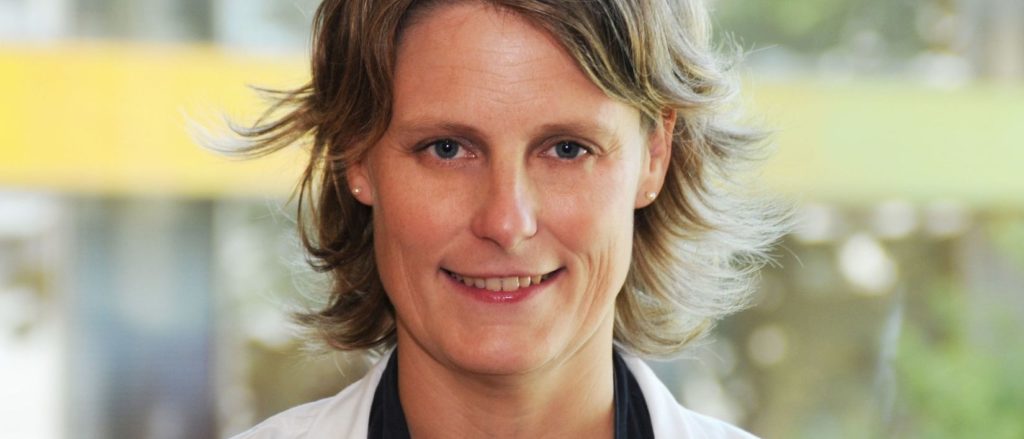
Stephanie Gros is one of 138 researchers at the University Children's Hospital Basel (UKBB) and received the Jack Plaschkes Award for her work in December 2018. In this article, the surgeon explains why she likes to move back and forth between two worlds and where she gets her motivation for the fight against cancer.
Even during his medical studies Stephanie Gros realised that she wanted to work in surgery one day. However, the goal of becoming a researcher only emerged towards the end of her studies and because of her doctoral thesis: „I had the great opportunity to do my work in Boston at Brigham Womans Hospital. I worked with a great research group there and got a taste for it. From then on, my enthusiasm for research was unstoppable,“ says the senior consultant in the Department of Surgery.
Stephanie Gros researches cancer in advanced stages where normal chemotherapy can no longer have any effect. This type of cancer, known as neuroblastoma, can be treated well in the early stages. However, there are only limited solutions for the advanced stages in particular. This is where Gros„ research work comes in. She is investigating the processes that lead to the cancer spreading to other sites and forming metastases. “I'm interested in how this process can be stopped. So I start where surgery and chemotherapy can no longer achieve anything."
However, working solely in research was not an option for Gros. Since her first job, she has always also worked as a doctor in hospital. Being able to operate in these two worlds at the same time is key for her: „For me personally, it's very important that I can combine patient care and research.“ In hospital, she helps to give patients the prospect of rapid improvement through surgical interventions. The research then builds on the surgical work and also tries to help patients in the long term. Gros draws her motivation from this interplay between practice and research: „When you see in clinical work where and how you can help with research, that's the best motivation.“
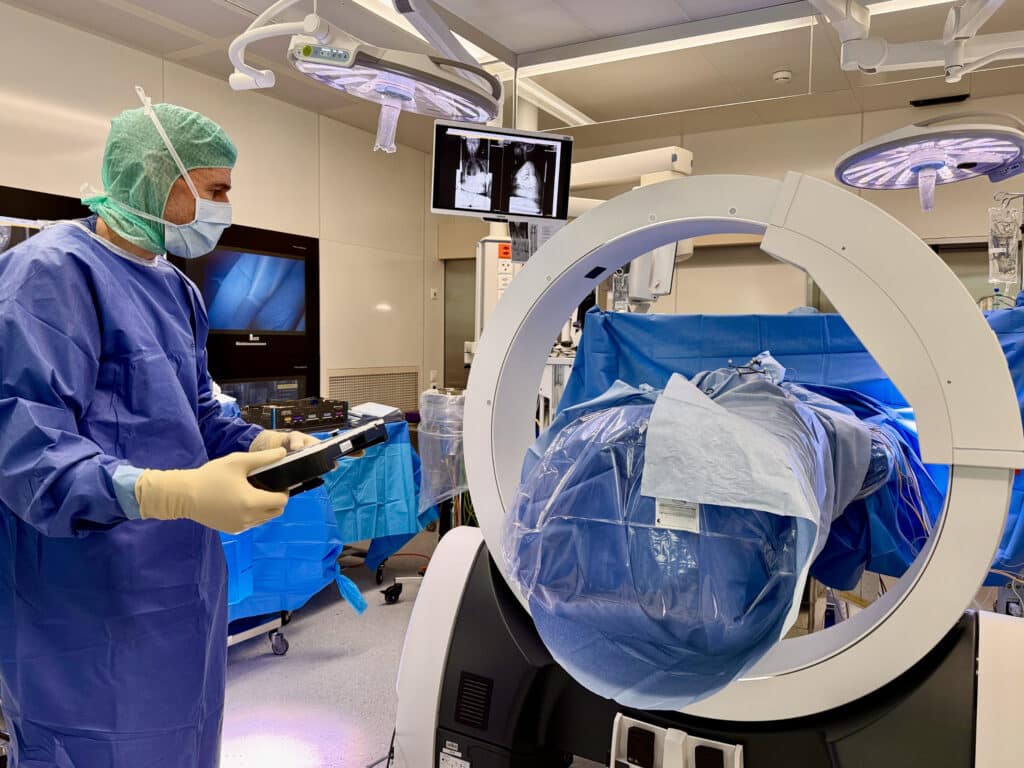
A typical day at UKBB is characterised by patient care, because they always come first. Then there is the work in the laboratory. It is a great advantage that the UKBB laboratory and the research groups are located in the building itself. „The working conditions here are great for us because we can take the tissue in the operating theatre and then analyse it straight away in the laboratory. The link between research and the hospital is ideal. Basel is also very well positioned with its rich scientific environment and potential cooperation partners are in the immediate vicinity.“
Research and surgery in particular are categorised as a male domain. Is this cliché still true? „I don't think so at all,“ says Gros. „Our former Head of Research was a woman and there are a lot of women working in this field, especially in Basel. There are also great role models in research here. The same applies to surgery. The image that surgery is a male domain is still there, but there are already many excellent female surgeons.“
Role models are important and the presentation of the Jack Plaschkes Award 2018, which is endowed with CHF 5,000, shows that this work is also recognised by society. Gros is delighted to receive the award: „The award is a great honour. Also because, as a German, I haven't been in Switzerland for that long and haven't been doing research here for that long, I'm delighted to receive this honour from society.“
Further studies are pending and it is certain that we will be reading a lot more about Stephanie Gros and her work in the fight against cancer in the future.
The Medgate Kids Line provides quick and uncomplicated medical advice if your child is unwell. The medical team of our partner Medgate is available to you by telephone around the clock.
For emergencies abroad: Call the emergency number of your health insurance company. You will find this number on your health insurance card.
More information: On the Page of the emergency ward you will find everything you need to know about behaviour in emergencies, typical childhood illnesses and waiting times.
144 Outpatient clinic
145 Tox Info Suisse (Poisonings)
117 Police
118 Fire brigade
Which topic would you like to contact us about?
For praise or criticism, please use the Feedback form.