This page has been automatically translated.
Premature babies should receive better protection against hospital germs during their stay in neonatology. Dr Julia Bielicki from the University Children's Hospital Basel (UKBB) and her international research team are investigating a new preventive measure that all children's hospitals around the world can apply as easily as possible. The project has received exceptional funding from the EU's Horizon 2020 research and innovation programme.
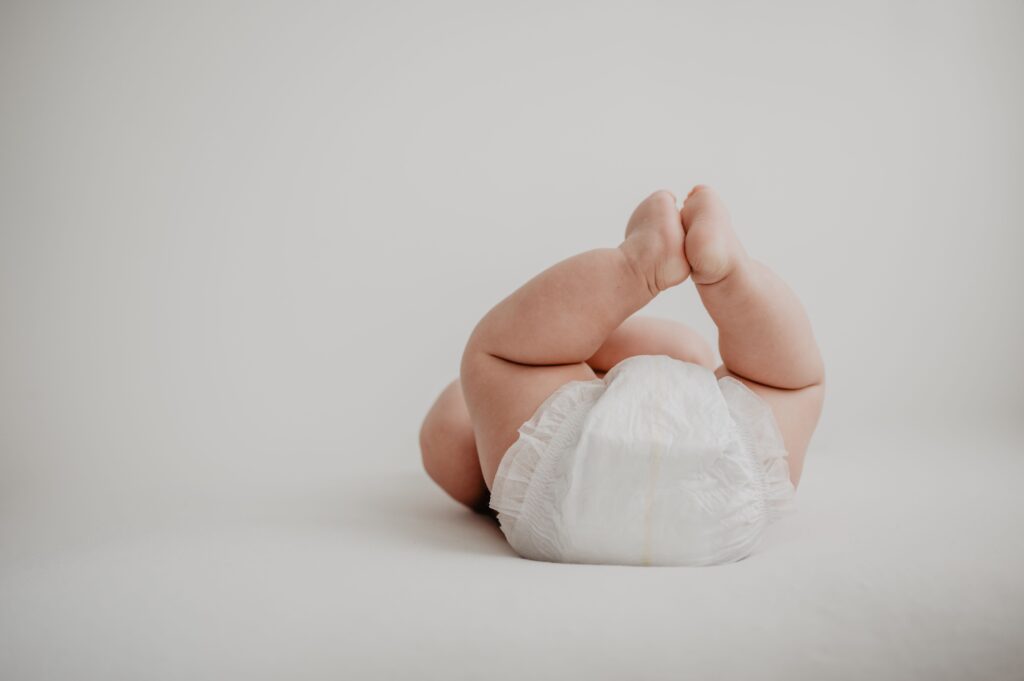
Around 10 per cent of all babies are born prematurely. Many of these premature babies start life on a neonatology ward and require intensive medical care. Typical hospital germs, which can occur in any neonatology unit despite strict hygiene rules, represent a risk for critically ill premature babies that has been virtually impossible to prevent to date. An interdisciplinary team of international researchers is therefore investigating new preventive measures.
The scientific management of the NeoIPC (Neonatology-specific Infection Prevention and Control) project is being assumed by Dr Julia Bielicki in a dual role as Head of Hospital Hygiene at the University Children's Hospital Basel (UKBB) and Senior Lecturer at the St George's University in London.
«I am confident that with the innovative approaches we have developed, we will implement a research programme that will be widely accepted by the participating departments, professionals and families. Last but not least, we will create knowledge that is not only important for premature babies in Europe, but also for critically ill newborns in low- and middle-income countries,» says the scientific director, Dr Julia Bielicki.
Specifically, the use of skin disinfectants that are regularly applied to the entire body of premature babies in neonatal wards using a swab is being investigated. While it is completely normal and also important that the skin of newborns is quickly colonised by various bacteria after birth, premature babies on neonatal wards have repeatedly shown themselves to be susceptible to colonisation by hospital germs on their skin. This is always difficult to treat because hospital germs are often antibiotic-resistant bacteria.
The large-scale project was selected in a competitive process with 15 applications as part of the European Union's Horizon 2020 research and innovation programme 10 million euros. Twelve partners from the fields of neonatology, infectiology and hospital hygiene, implementation science, microbiology, epidemiology and health economics are involved in the project.
How germ transmission can be prevented in acute care is a key question in hospital hygiene research. However, the effectiveness of individual preventive measures applied in neonatal intensive care units is surprisingly rarely proven. There is also a lack of research into which factors in day-to-day operations may prevent the consistent application of established measures.
The fact that the researchers are filling both gaps with new knowledge with their project may have been a decisive factor in why the reviewers awarded the project funding, even though the call for proposals was not aimed at paediatric and adolescent medicine. «It is unusual for a purely paediatric project to be funded under these conditions. I am therefore delighted to have the opportunity to investigate an important topic for a patient group that is particularly at risk of infection,» says Bielicki.
The reviewers attest to the project's «great clinical significance», which «will contribute to the development of evidence-based, cost-effective and simple prevention approaches to reduce resistant bacterial colonisation in neonatal intensive care units and sepsis in newborns. The results of the project are also expected to have important societal benefits, such as an overall improvement in infection prevention in neonatology and positive health economic impact.»
The Medgate Kids Line provides quick and uncomplicated medical advice if your child is unwell. The medical team of our partner Medgate is available to you by telephone around the clock.
For emergencies abroad: Call the emergency number of your health insurance company. You will find this number on your health insurance card.
More information: On the Page of the emergency ward you will find everything you need to know about behaviour in emergencies, typical childhood illnesses and waiting times.
144 Outpatient clinic
145 Tox Info Suisse (Poisonings)
117 Police
118 Fire brigade
Which topic would you like to contact us about?
For praise or criticism, please use the Feedback form.